The Cornerstone of Cell Banking
Cryopreservation isn’t science fiction – it’s the scientifically validated process that makes stem cell banking possible. By storing your cells at ultra-low temperatures, we suspend biological aging and activity. At American Cell Technology (ACT), every step is carefully controlled to help ensure the long-term safety and viability of your valuable stem cells.
The Science of the “Time-Freeze” Effect
At normal body temperature, cells continue to metabolize, divide, and age. Cryopreservation stops these processes by cooling cells to –196°C, usually using liquid nitrogen. At these deep-freeze conditions, biological activity is paused, allowing cells to be preserved for the long term.
The ACT Four-Step Preservation Process
1. Collection
Cells are sourced from adipose (fat), bone marrow, or newborn cord blood and cord tissue. For adult clients, adipose is preferred because these cells typically display younger, healthier characteristics, and physicians can harvest these cells in a matter of minutes with little to no patient downtime.
2. Processing & Protection
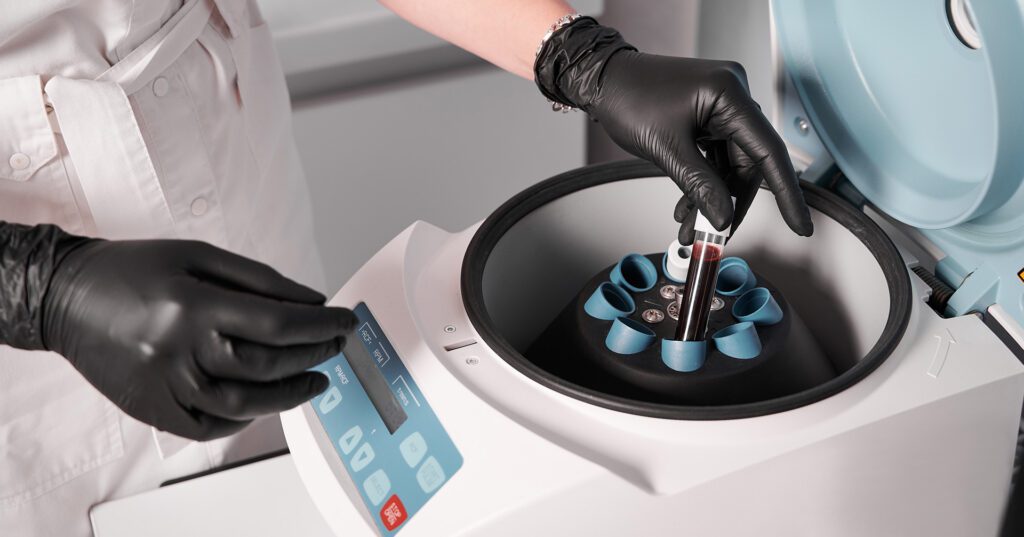
Once the cells arrive at ACT’s lab, they are culture-expanded (multiplied) to the optimal quantity and prepared with specialized cryoprotectants. These protective solutions help prevent two major risks during freezing:
- Intracellular ice formation: Ice crystals that develop inside the cell can rupture the cell membrane or damage internal structures.
- Osmotic shock: If freezing causes rapid concentration changes in the surrounding solution, cells may quickly lose or gain water and rupture.
Cryoprotectants and careful handling minimize these stresses, so cells maintain structural and functional integrity.
3. Controlled Cooling to –80°C
Cells are gradually cooled at a precise rate of 1–3°C per minute using specialized equipment. This controlled rate reduces intracellular ice formation and limits osmotic shock as temperatures fall.
4. Long-Term Storage (Glass Transition Phase)
After reaching –80°C, cells are transferred into liquid nitrogen tanks where temperatures are lowered to around –196°C. At this point, cells enter the desired transition phase, a state where molecular motion is so limited that biological processes are paused. Temperature, pressure, and backup systems are continuously monitored by a state-of-the-art control system to maintain secure, stable storage.
Quality, Safety, and Monitoring
ACT uses advanced monitoring systems and strict protocols to track every storage tank, verify conditions, and protect against temperature fluctuations or environmental issues. Multiple safeguards help ensure your stored cells remain secure and ready for immediate or future clinical use.
Healthy Cells Persevered in a Controlled Environment
Cryopreservation is the precise application of deep-freezing science. It’s a technologically rigorous preservation method designed to help ensure your cells remain viable, stable, and accessible whenever you may need them throughout your life.